
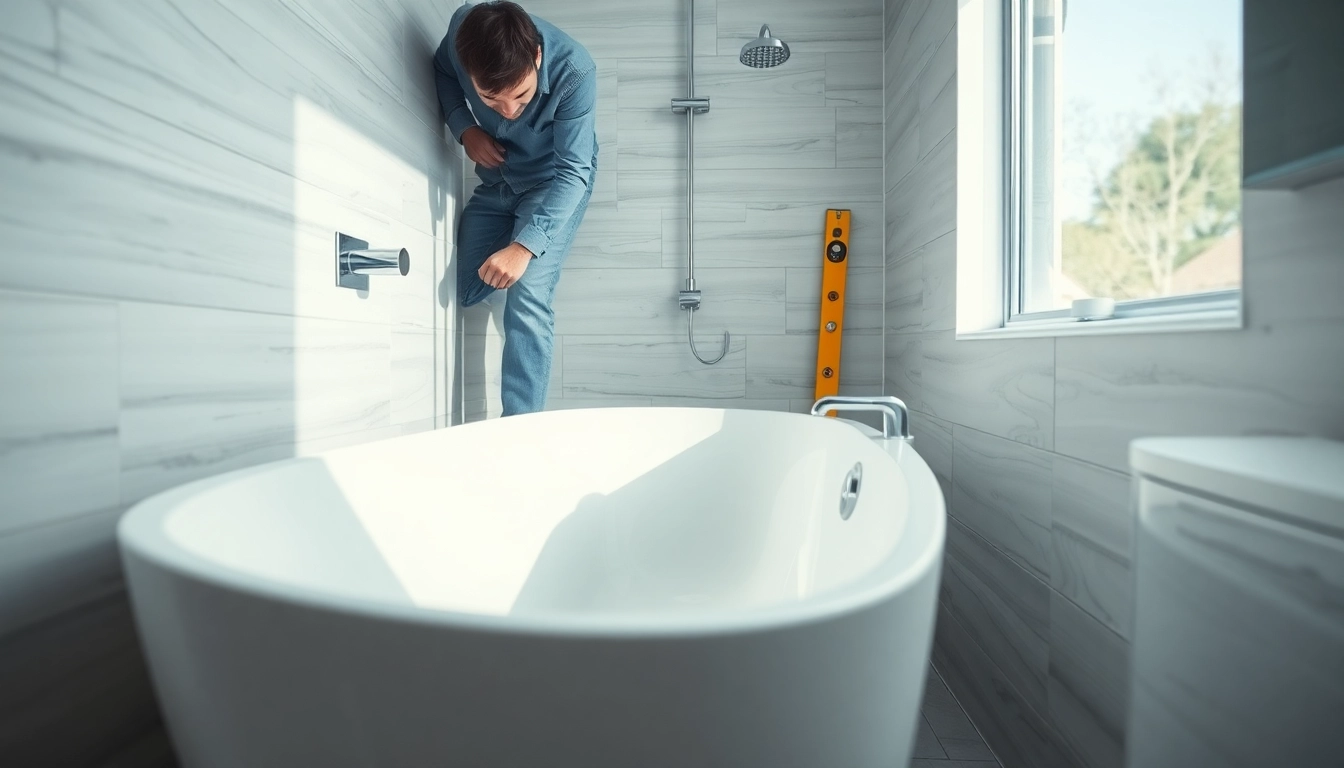
Understanding Bathroom Installation Manchester
What is Bathroom Installation?
Bathroom installation involves the complete process of designing, renovating, and setting up a bathroom space, including fixtures such as toilets, sinks, bathtubs, and showers. This transformative project enhances both the functionality and aesthetics of one of the most vital areas in any home. The installation process covers various stages, from initial design and planning through construction, plumbing, and finishing touches. Investing in bathroom installation manchester ensures that your bathroom reflects your personal style while meeting your specific needs.
Key Benefits of Professional Installation
Choosing professional bathroom installation services can immensely benefit homeowners. Here are some vital advantages:
- Expertise and Experience: Professionals bring years of experience and specialized knowledge, ensuring high-quality craftsmanship and adherence to local building codes.
- Time-Saving: Professionals handle everything from design to installation efficiently, drastically reducing the time taken compared to DIY approaches.
- Stress Reduction: Professional teams handle unexpected challenges, allowing homeowners to focus on other essential aspects of their lives.
- Warranty and Support: Many professional services offer warranties or guarantees on their work, providing peace of mind and assurance of quality.
Common Misconceptions
Despite the many benefits, several misconceptions about bathroom installation persist:
- It’s Too Expensive: While the upfront costs can be significant, professional installations often save money in the long run due to fewer mistakes and better quality work.
- DIY is Always Cheaper: Many underestimate the complexity of plumbing and electrical work; improper installation can lead to costly repairs.
- It Takes Too Long: While bathrooms are typically complex projects, experienced professionals can streamline the process, minimizing inconvenience.
Planning Your Bathroom Installation Manchester
Setting Your Budget
Budgeting is the cornerstone of any successful bathroom installation project. It sets the parameters for what is possible within your desired scope. Here are a few key tips for budgeting effectively:
- Determine Your Overall Investment: Decide how much you’re willing to spend, including materials, labor, and any unexpected costs.
- Prioritize Needs vs. Wants: Clearly outline essential features versus luxury items to give clarity on where to allocate funds.
- Seek Multiple Quotes: Gather estimates from various contractors to compare their services without compromising on quality.
- Include a Contingency Fund: Extras such as tiling, plumbing hiccups, or additional fixtures can pop up, so setting aside an additional 10-20% is wise.
Choosing the Right Fixtures
Selecting the right fixtures is crucial to optimizing the space and enhancing its usability. Factors to consider when choosing fixtures include:
- Quality and Durability: Opting for high-quality materials ensures longevity and performance, even in humid conditions.
- Style and Design: Ensure that selected fixtures align with your design vision—modern, traditional, or contemporary.
- Functionality: Consider the practical use of each item; for example, double sinks can enhance routine functionality in shared bathrooms.
- Energy Efficiency: Look for low-flow faucets and other energy-efficient features that can reduce water usage and energy bills.
Design Considerations
The design of a bathroom is integral to its overall appeal and usability. Key design aspects to consider include:
- Space Optimization: Utilize available space effectively, incorporating smart storage solutions to avoid clutter.
- Lighting: Implement a combination of ambient, task, and accent lighting to enhance visibility and mood.
- Color Scheme: Select colors that evoke the atmosphere you wish to create—calming tones for relaxation or bright hues for vibrancy.
- Accessibility: Ensure that the bathroom is easily accessible for all users, considering future needs or potential mobility challenges.
Steps for Bathroom Installation
Preparation and Demolition
The initial phase of bathroom installation involves careful preparation and demolition of existing structures. This includes:
- Assessment: Evaluate existing plumbing and electrical systems, checking for any issues that need resolving.
- Design Confirmation: Finalize the designs and obtain all necessary permits prior to demolition.
- Demolition: Safely remove unwanted fixtures, tiles, and cabinetry while managing waste responsibly.
Plumbing and Electrical Work
Once the old fixtures have been removed, the next step is plumbing and electrical installation. This step often requires professional oversight due to its complexity:
- Rough-in Plumbing: Install new pipes and configure drainage systems according to the new layout.
- Wiring and Lighting: Ensure that wiring for lights, outlets, and other electrical features meet safety standards.
- Water Supply Check: Double-check water supply connections to prevent leaks and ensure efficiency.
Finishing Touches and Styling
The final stages of the installation include adding finishing touches that enhance both aesthetics and functionality:
- Fixture Installation: Once plumbing and electrical systems are in place, install sinks, toilets, and other fixtures as per the design plan.
- Tiling and Flooring: Careful installation of tiles and flooring not only adds beauty but also contributes to the bathroom’s functionality.
- Painting and Accessories: Select wall colors and accessories that complement the overall theme, focusing on both style and usability.
Aftercare and Maintenance
Routine Maintenance Tips
Once your bathroom is installed, routine maintenance is essential for keeping the space functional and visually appealing. Consider the following tips:
- Regular Cleaning: Keep surfaces clean to prevent build-up of mold and mildew.
- Inspect Fixtures: Periodically check pipes, faucets, and drains for wear or leaks.
- Ventilation: Use exhaust fans to reduce humidity and maintain air quality.
- Grout and Caulk Care: Regularly check and maintain grout and caulk to prevent water damage.
Identifying Common Issues
Potential issues can arise after installation, and early detection is key. Some common problems include:
- Leaky Faucets: Check for necessary replacements or repairs to maintain water efficiency.
- Mold Growth: Regular inspection in humid areas helps prevent mold and mildew development.
- Poor Drainage: Address any slow-draining sinks or tubs promptly to avoid plumbing nightmares.
Repair Solutions
Understanding how to address common bathroom concerns can save time and money:
- Replacing Fixtures: Regularly evaluate and replace worn-out fixtures for best performance.
- Patch Repairs: For small leaks, using patches or plumbers’ tape can offer an immediate solution until a professional can address it.
- Professional Help: For significant issues, engaging a professional can save you from deeper, costlier problems down the line.
Frequently Asked Questions
How long does bathroom installation manchester typically take?
The duration for a standard bathroom installation can range from a few days to several weeks, depending on the complexity of the project and any unforeseen complications.
What should I consider when choosing materials?
Factors to consider include durability, water resistance, maintenance ease, and overall aesthetics that match your design vision.
Are there financing options for my project?
Many contractors offer financing solutions including payment plans to ensure you can manage your budget effectively while getting the desired updates.
What permits do I need for a bathroom installation?
Typically, plumbing and electrical work requires permits; it’s significant to check with local authorities to understand specific requirements.
Can I install my bathroom fixtures myself?
While some homeowners attempt to DIY, professional installation is recommended for complex plumbing and electrical to avoid costly mistakes.
