Introduction to Waterproof Vinyl Flooring
In the quest for the perfect flooring solution, many homeowners and business owners are discovering the advantages of waterproof vinyl flooring. This innovative flooring option offers a blend of style, durability, and practicality, making it an excellent choice for various environments. Whether you’re renovating your home or designing a new office, understanding what waterproof vinyl flooring is and the benefits it provides can help you make an informed decision for your space.
What Is Waterproof Vinyl Flooring?
Waterproof vinyl flooring is a synthetic flooring material constructed from multiple layers, designed to mimic the appearance of natural wood, stone, or ceramic. Its primary feature is its ability to resist moisture, making it suitable for areas prone to spills, humidity, and wet conditions. The core material often consists of polyvinyl chloride (PVC), which is water-resistant and durable, making it a practical choice for kitchens, bathrooms, and even basements.
Benefits of Choosing Waterproof Vinyl Flooring
The rise of waterproof vinyl flooring as a popular choice stems from its numerous benefits:
- Water Resistance: As the name suggests, waterproof vinyl flooring provides exceptional protection against moisture, preventing mold and mildew growth, which is especially important in humid or wet environments.
- Durability: This flooring type is highly resistant to scratches, dents, and wear, ensuring that it can withstand the rigors of everyday foot traffic.
- Easy Installation: Available in planks and tiles, waterproof vinyl flooring can be easily installed as a floating floor or glued down, simplifying the renovation process.
- Cost-Effectiveness: Compared to other flooring materials like hard wood or natural stone, waterproof vinyl flooring is a more budget-friendly option without compromising on aesthetics.
- Aesthetic Variety: With countless designs, colors, and textures available, you can achieve nearly any look, from rustic wood to sleek stone.
Common Uses in Homes and Offices
Waterproof vinyl flooring is versatile enough to grace various settings, including:
- Residential Spaces: Popular in kitchens, bathrooms, laundry rooms, and basements, where moisture is often a concern.
- Commercial Areas: Office spaces, restaurants, and retail stores favor this flooring due to its durability and ease of maintenance.
- Healthcare Facilities: Hospitals and clinics utilize waterproof vinyl flooring for its hygiene benefits and ease of cleaning.
Types of Waterproof Vinyl Flooring
Understanding the types of waterproof vinyl flooring can help you select the best fit for your needs:
Luxury Vinyl Plank vs. Vinyl Tiles
When it comes to the style and format of waterproof vinyl flooring, there are two primary contenders: luxury vinyl planks (LVP) and vinyl tiles (LVT).
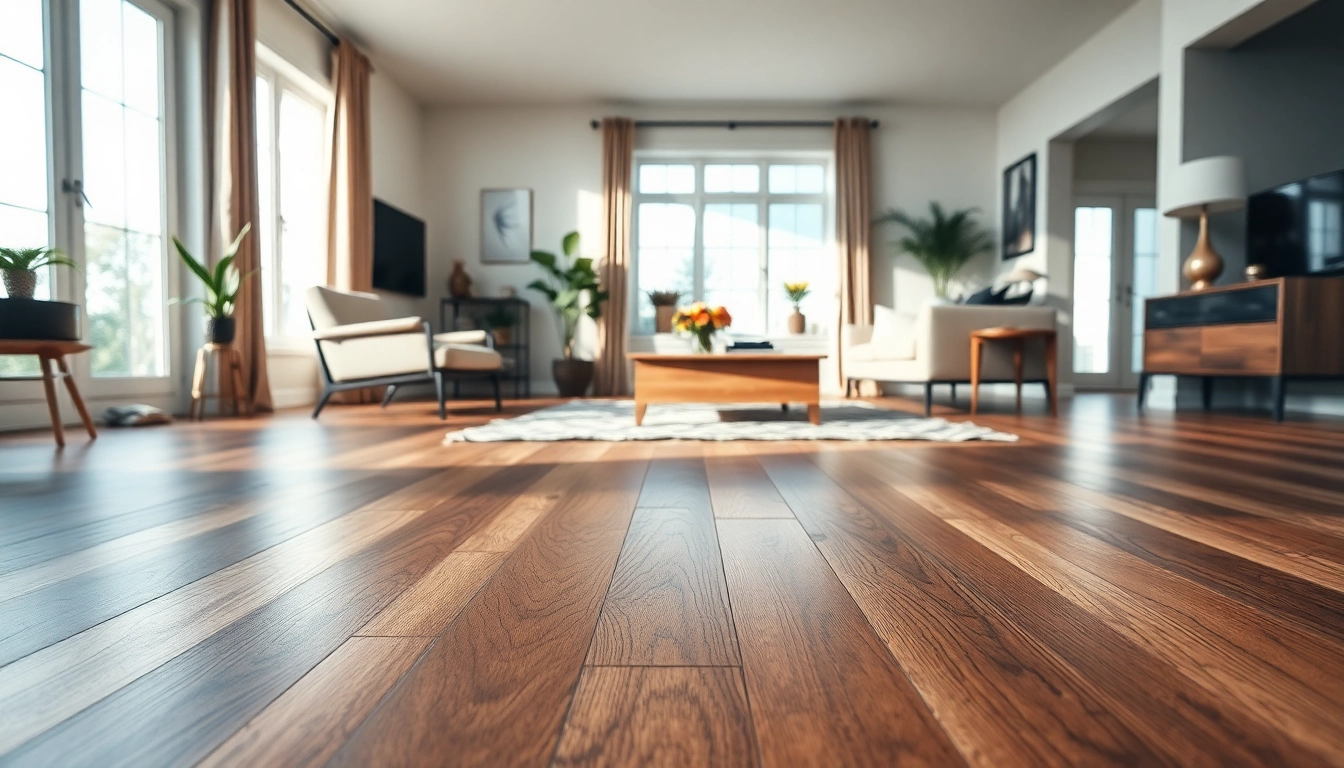
- Luxury Vinyl Plank (LVP): Designed to mimic hardwood, LVP features longer and wider planks that enhance spaces, providing a seamless, continuous wood-like appearance. They are ideal for larger areas and offer greater visual impact.
- Luxury Vinyl Tile (LVT): Mimicking the look of ceramic or stone, LVT comes in square tiles. It is especially suitable for intricate designs, allowing for creative layouts and patterns that can elevate the aesthetic appeal of a room.
Comparing Styles and Colors
The aesthetic appeal of waterproof vinyl flooring lies in its manifold styles and colors. The flooring can be found in a vast variety of finishes, including rustic wood grains, contemporary stone looks, and even vibrant colors. Some key points to consider include:
- Customization: Many manufacturers offer customization options, allowing you to choose the texture, color, and finish that best suits your interior design.
- Trends: Earthy tones and natural looks remain popular for those seeking to create a warm, inviting atmosphere, while sleek, modern finishes cater to minimalist tastes and contemporary designs.
Eco-Friendly Options Available
As consumers become more environmentally conscious, eco-friendly waterproof vinyl flooring options are becoming increasingly prevalent. These products utilize recycled materials and have reduced chemical emissions. Key aspects include:
- Recyclability: Some brands offer flooring made from 100% recycled content, minimizing waste.
- Low VOCs: Choosing options with low volatile organic compounds ensures healthier indoor air quality, making them suitable for sensitive environments.
Installation Process of Waterproof Vinyl Flooring
Installing waterproof vinyl flooring requires careful planning and execution, whether you’re considering a DIY approach or hiring professionals.
Preparing Your Space for Installation
Preparation is key to ensuring a successful installation of waterproof vinyl flooring. Here’s how to prepare your space:
- Clear the Area: Remove all furniture and appliances to provide a clear workspace.
- Inspect the Subfloor: Ensure that the subfloor is clean, dry, and level to prevent any imperfections in the finished flooring.
- Acclimate the Planks or Tiles: Allow the flooring material to acclimate to the room’s temperature and humidity for at least 48 hours before installation.
DIY vs. Professional Installation
The choice between a DIY installation and hiring professionals depends on your comfort level and experience:
- DIY Installation: Suitable for those handy with tools and instructions. Typically, LVP and LVT come with peel-and-stick options or interlocking designs, making them accessible for home installation.
- Professional Installation: Ideal for complex layouts or those who prefer assurance that the job will be done correctly. Hiring experts can also expedite the process while ensuring a flawless finish.
Post-Installation Care Tips
Post-installation care is crucial for maintaining the integrity and appearance of your new waterproof vinyl flooring:
- Allow Time to Settle: After installation, let the flooring settle for at least 24-48 hours before moving furniture back to avoid any misalignment.
- Avoid Excess Moisture: While the flooring is waterproof, excessive moisture can still warp seams; use only a damp mop for cleaning.
- Place Rugs or Mats: Using rugs in high traffic areas can help prevent wear and tear, extending the longevity of your floor.
Maintenance of Waterproof Vinyl Flooring
Maintaining waterproof vinyl flooring is simple, making it an appealing option for busy households and businesses.
Daily Cleaning Methods
To preserve the looks and longevity of your waterproof vinyl flooring, daily cleaning practices are essential. Employ the following methods:
- Dusting: Regularly sweep or vacuum to remove dirt and debris that can scratch the floor surface.
- Mopping: Use a damp mop with a gentle cleaning solution specifically designed for vinyl floors to remove stains while preserving the finish.
Long-Term Care and Maintenance
Long-term care is vital to keep your waterproof vinyl flooring in excellent condition for years. Consider the following tips:
- Reseal as Needed: While many waterproof vinyl floors are designed to be low maintenance, resealing them every few years can provide additional protection against wear.
- Protect from Sunlight: Using curtains or UV-blocking films on windows can help prevent discoloration from prolonged sun exposure.
Common Issues and Troubleshooting
Understanding common issues and how to troubleshoot them can save time and expense:
- Curling Edges: If edges curl, it may be due to excessive moisture or insufficient acclimation. Correct by adjusting humidity levels and providing adequate acclimation time.
- Scratches: For minor scratches, repair kits are available, or you can use a furniture marker that matches your flooring color.
FAQs About Waterproof Vinyl Flooring
How durable is waterproof vinyl flooring?
Waterproof vinyl flooring is highly durable, resistant to scratches and dents, making it suitable for both high-traffic residential and commercial spaces. With proper care, it can last many years.
Can waterproof vinyl flooring be installed over existing floors?
Yes, waterproof vinyl flooring can typically be installed over existing floors as long as they are clean, dry, and level. It’s essential to check the manufacturer’s recommendations.
Is waterproof vinyl flooring safe for pets?
Yes, waterproof vinyl flooring is a great choice for homes with pets. It is scratch-resistant, easy to clean, and does not retain odors or moisture.
How does waterproof vinyl flooring compare to laminate?
While both options are visually appealing, waterproof vinyl flooring offers better moisture resistance compared to laminate, making it ideal for moisture-prone areas.
What is the lifespan of waterproof vinyl flooring?
With proper care and maintenance, waterproof vinyl flooring can last between 10 to 20 years, making it a cost-effective flooring option.